Peanut oil, a versatile vegetable oil!
Peanut oil is extracted from peanuts, also known as groundnuts. It is a popular cooking oil for several reasons: High smoke point: Peanut oil can withstand high temperatures without breaking down, making it ideal for frying, high-heat cooking, and stir-frying. Neutral taste: It has a delicate, slightly nutty flavor, which helps to enhance the flavors of other ingredients without masking them. High in fatty acids: Peanut oil contains mostly monounsaturated fats (such as oleic acid), which are beneficial for cardiovascular health. Culinary uses: Frying: Peanut oil is often used to fry foods like French fries, fritters, or tempura. Stir-frying: It is perfect for quick and tasty stir-fries of vegetables or meat. Baking: Peanut oil can be used for everything from sauces to marinades. Baking: It adds a subtle flavor and light texture to baked goods. A few more things to note: Allergies: Peanut oil is a common allergen, so it’s important to check labels if you or someone else has a peanut allergy. Storage: Peanut oil stores well at room temperature, away from light and heat. In short, peanut oil is a versatile, healthy, and tasty oil that can be used in many recipes.
Ingredients
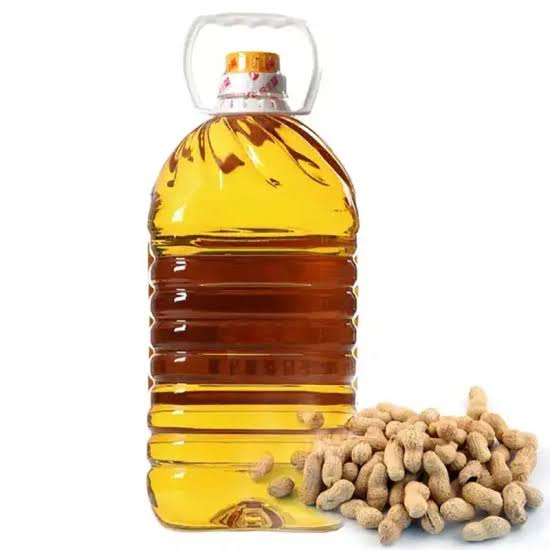
Peanut oil is a vegetable oil prepared and extracted from peanuts (Arachis hypogaea) using a hydraulic press. It is a very clear-looking edible oil and is ideal for high-temperature cooking. Particularly suitable for frying food, it can also be used to prepare mayonnaise or dressings for seasoning. Since industrial peanut oil is highly refined, it no longer contains allergenic proteins and is generally not advised against for people allergic to peanuts2.
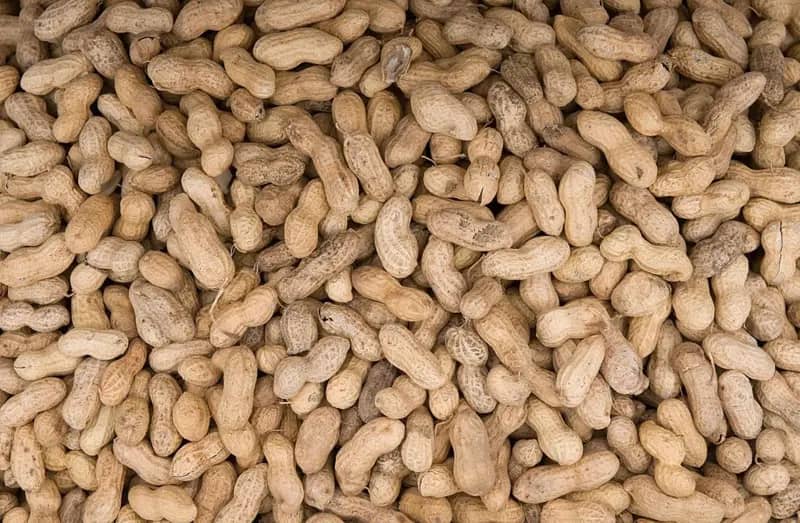
Water and salt are incorporated into the peanut paste, which is then kneaded by hand for 30 min. This operation, called malaxation, promotes the coagulation of the hydrophilic materials which gather into lumps, between which the oil appears (FAO, 1991).
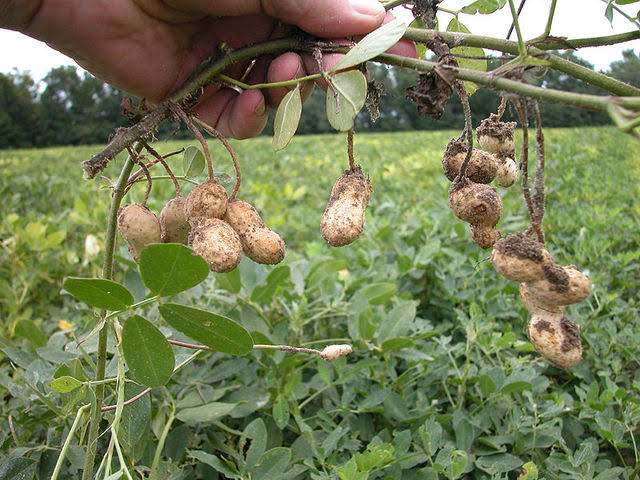
African peanut oils are rich in unsaturated fatty acids with 60 percent oleic acid and 22 percent linoleic acid. The composition of the kernel in dry matter is as follows: lipids 45 to 54 percent, proteins 20 to 26 percent, carbohydrates 9 to 12 percent.