Rice
A global staple
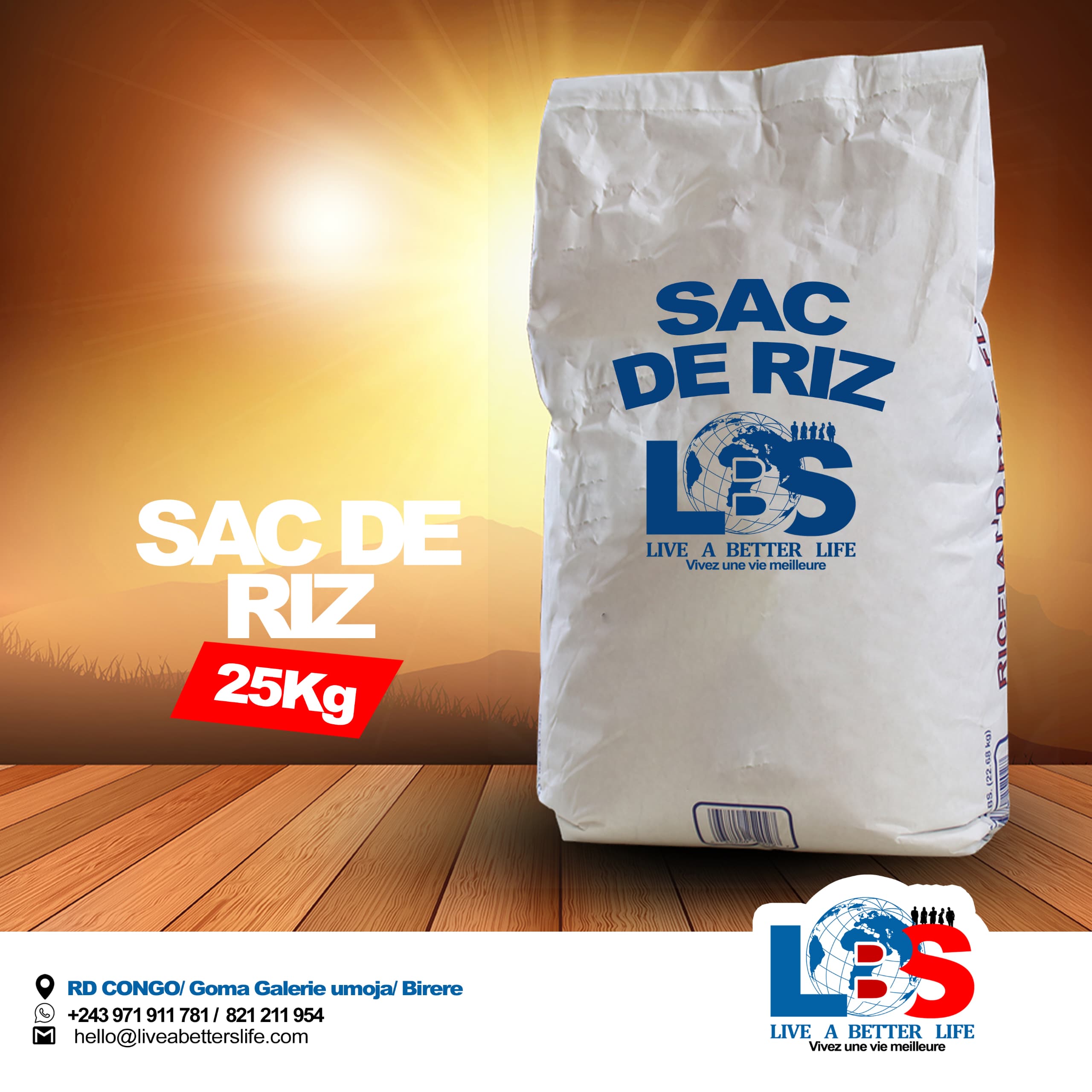
Rice is a grain, just like wheat or corn. It has been part of our diet for millennia and is considered a staple food in many cultures, especially in Asia.
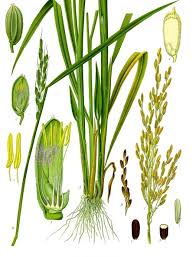
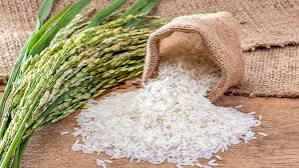
Origin and cultivation: Rice is mainly grown in tropical and subtropical regions, often in flooded rice fields. Asia provides the majority of world production.
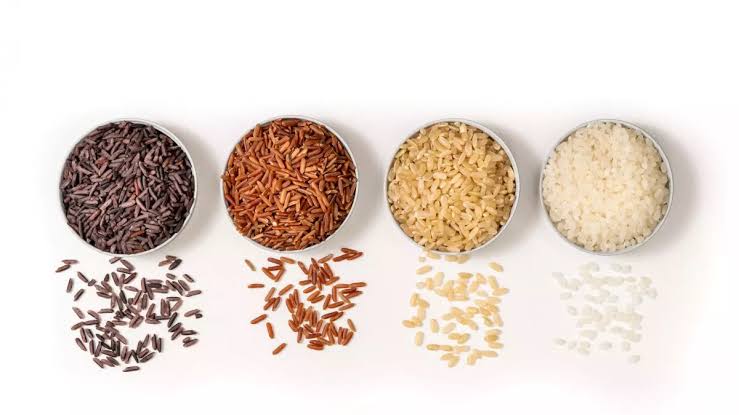
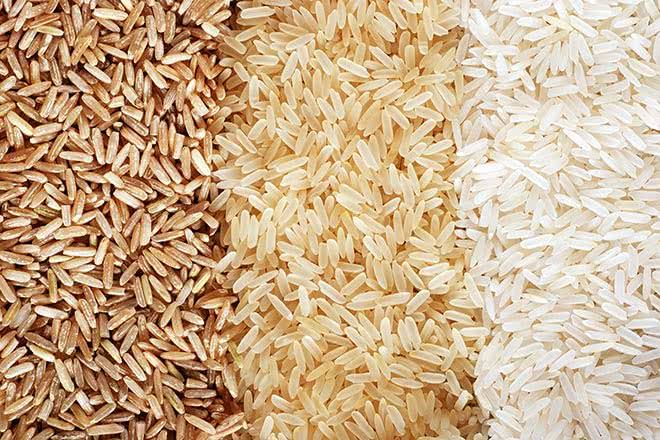
Varieties: There are a multitude of varieties of rice, each with its own characteristics in terms of size, shape, texture and flavor. The best known are white rice, basmati rice, wild rice, black rice, etc.
Culinary use: Rice is extremely versatile and can be used in endless dishes. It goes well with meat, fish, vegetables and desserts. It is found in traditional dishes of many countries, such as Italian risotto, Spanish paella, Japanese sushi or Chinese fried rice.
Nutritional value: Rice is a good source of carbohydrates, which provide energy to the body. It also contains protein, fiber and some vitamins and minerals.
Why is rice so popular?
Neutral Flavor: Its flavor is relatively neutral, which allows it to adapt to many flavors.
Varied texture: Depending on the variety and cooking, rice can have a firm, creamy or sticky texture.
Storage: Rice can be stored for a long time, making it a practical food.
Culture: Rice is often associated with ancient traditions and cultures, which gives it a symbolic aspect.
Ingredients